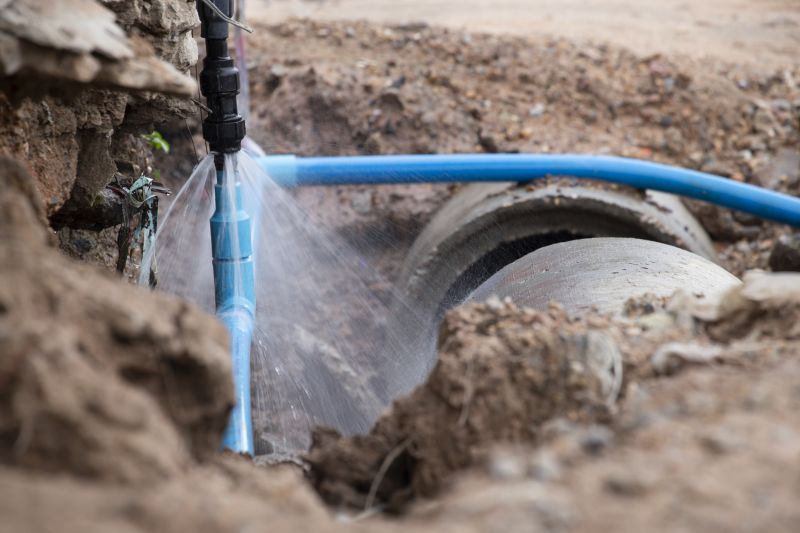
Underground Leak Detection in Denver, CO
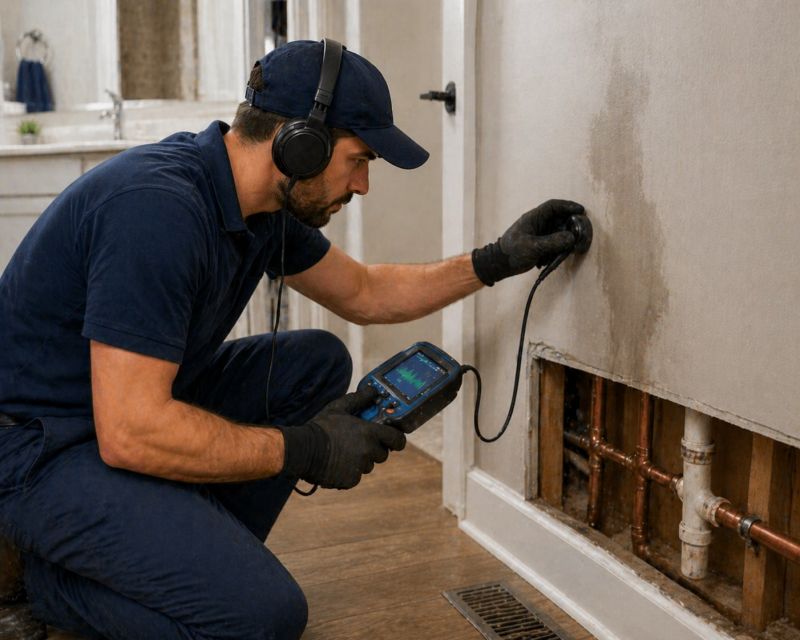
Underground leak detection services involve identifying hidden water leaks within a property's plumbing system or underground infrastructure. This process typically uses specialized equipment such as electronic listening devices, ground microphones, or thermal imaging to locate leaks without the need for extensive excavation. These services are often requested for projects like detecting leaks in residential yards, beneath driveways, or within underground water lines, helping homeowners address issues before they cause significant damage or high water bills.
Property owners considering underground leak detection usually want to understand the scope of the service, including how the detection process works and what areas can be inspected. It’s helpful to know if the service can pinpoint leaks in specific locations or if additional steps may be necessary to confirm the findings. Clarifying these details can assist in planning repairs efficiently and minimizing disruption to the property.
Many property owners in Denver, CO look into Underground Leak Detection for repairs, replacements, upgrades, and appearance-related improvements.
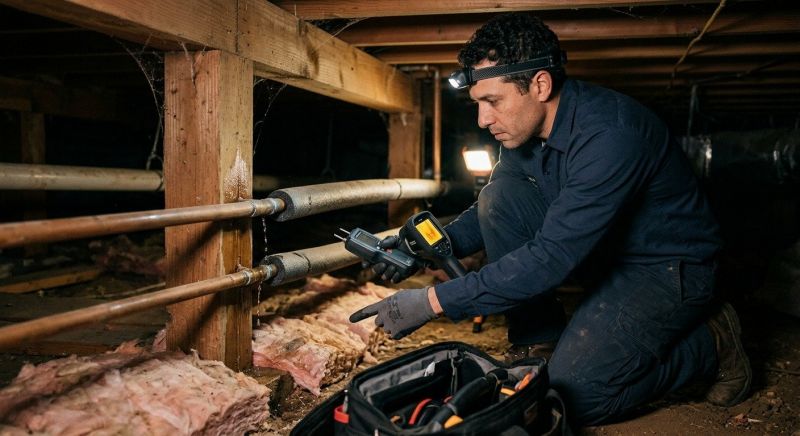
Detecting Hidden Leaks
Advanced technology helps identify underground water leaks without extensive excavation.
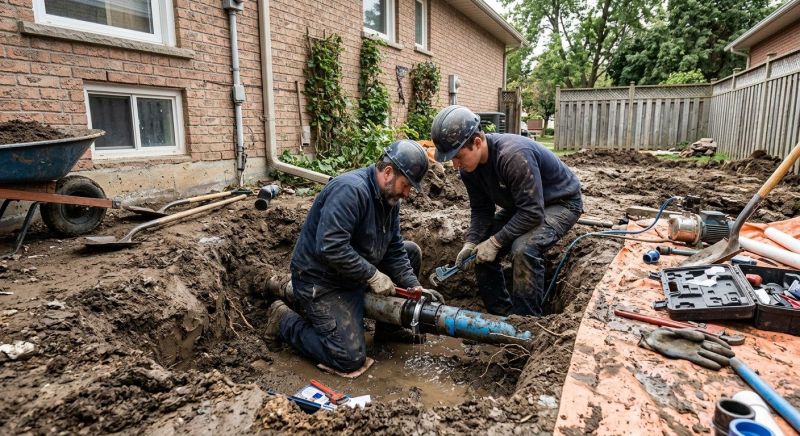
Preventing Property Damage
Early leak detection can reduce the risk of costly water damage to homes and foundations.
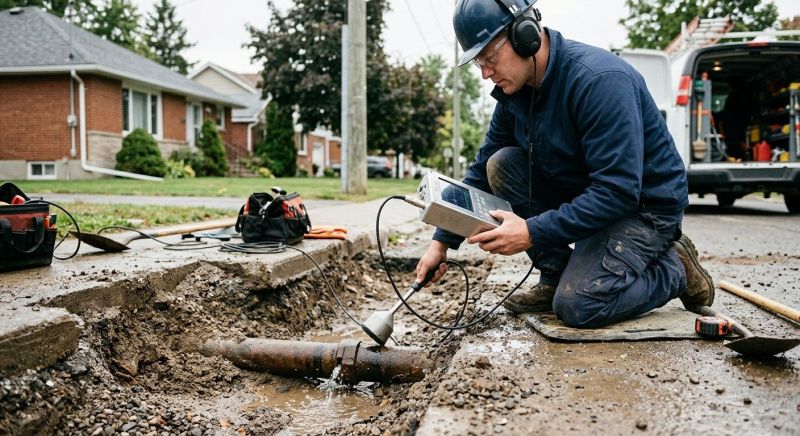
Ensuring Water System Integrity
Accurate underground leak detection maintains the reliability of your property's plumbing system.
Underground Leak Detection in Denver, CO

Underground leak detection services involve identifying hidden water leaks within a property's plumbing system or underground infrastructure. This process typically uses specialized equipment such as electronic listening devices, ground microphones, or thermal imaging to locate leaks without the need for extensive excavation. These services are often requested for projects like detecting leaks in residential yards, beneath driveways, or within underground water lines, helping homeowners address issues before they cause significant damage or high water bills.
Property owners considering underground leak detection usually want to understand the scope of the service, including how the detection process works and what areas can be inspected. It’s helpful to know if the service can pinpoint leaks in specific locations or if additional steps may be necessary to confirm the findings. Clarifying these details can assist in planning repairs efficiently and minimizing disruption to the property.
Many property owners in Denver, CO look into Underground Leak Detection for repairs, replacements, upgrades, and appearance-related improvements.
Common Underground Leak Detection Jobs
Residential plumbing systems - underground leak detection identifies hidden leaks in home water lines.
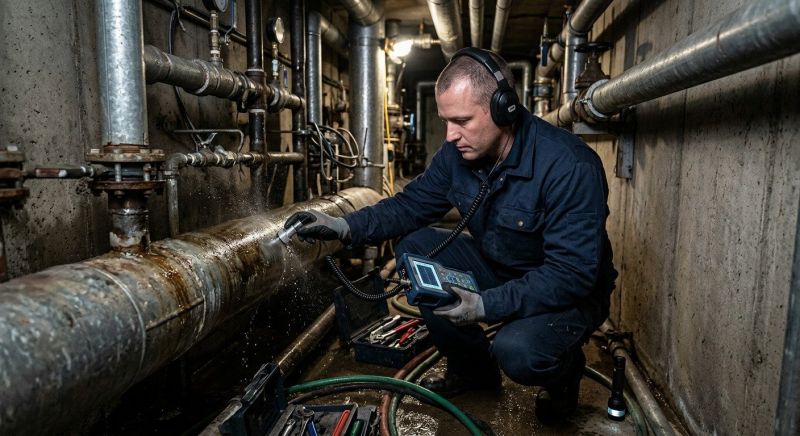
Commercial properties - locating leaks beneath concrete slabs to prevent costly damage.
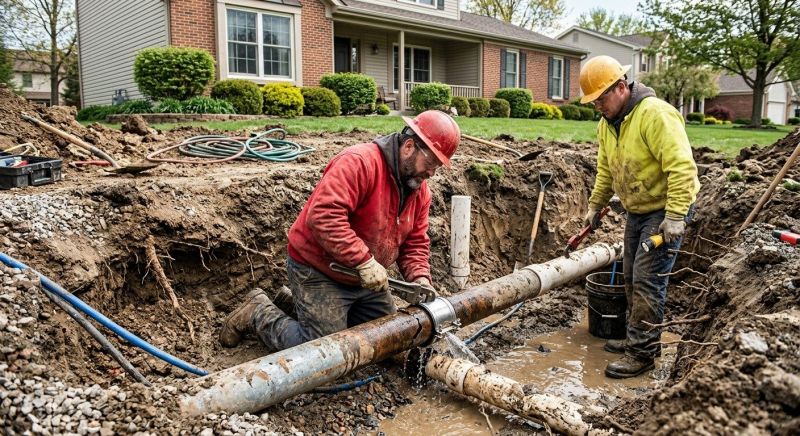
Underground water lines - pinpointing leaks in buried water supply pipes for efficient repairs.
Irrigation systems - detecting leaks in underground sprinkler lines to conserve water.
Foundation and slab areas - finding leaks that may cause structural issues or water intrusion.
Municipal infrastructure - locating underground leaks in public water mains to minimize service disruptions.
Underground Leak Detection Questions
What is underground leak detection? It is a process used to locate hidden leaks in underground pipes and plumbing systems without extensive excavation.
When should property owners consider leak detection services? When there are unexplained increases in water bills, damp spots, or sinkholes on the property.
What types of projects typically require underground leak detection? Residential plumbing repairs, irrigation system fixes, and utility line inspections are common projects.
How does leak detection benefit property owners? It helps identify leaks early, reducing potential property damage and conserving water resources.
Request Underground Leak Detection in Denver, CO
Use the quote form on this page to share the basics of your project and request more information for the type of work you need.