Get Grease Trap Pumping
Local contractors provide grease trap pumping services to remove built-up fats, oils, and solids, preventing clogs, backups, and plumbing issues for property owners.
Grease trap pumping services are essential for maintaining proper sanitation and preventing plumbing issues on commercial and residential properties. Property owners in the area may consider scheduling regular pumping to ensure their systems operate efficiently and to avoid costly repairs caused by buildup or blockages. Whether managing a restaurant, food processing facility, or other establishments with grease traps, understanding the available local contractors can help in planning maintenance projects effectively.
Exploring options among local service providers allows property owners to compare the expertise and services offered for grease trap pumping. Connecting with experienced contractors can support ongoing property management and help meet health and safety standards. Continuing to review local options ensures that the right professionals are engaged to handle grease trap maintenance reliably and efficiently.
- Grease trap pumping - needed when a restaurant or commercial kitchen needs to prevent grease buildup that can cause clogs and odors.
- Commercial grease trap cleaning - required for food service facilities to maintain proper waste flow and regulatory compliance.
- Restaurant grease trap maintenance - essential for eateries to avoid plumbing issues and ensure smooth kitchen operations.
- Industrial grease trap servicing - necessary for facilities with heavy grease production to prevent environmental hazards and sewer backups.
- Food service facility grease trap removal - needed during renovations or upgrades to ensure proper disposal and system performance.
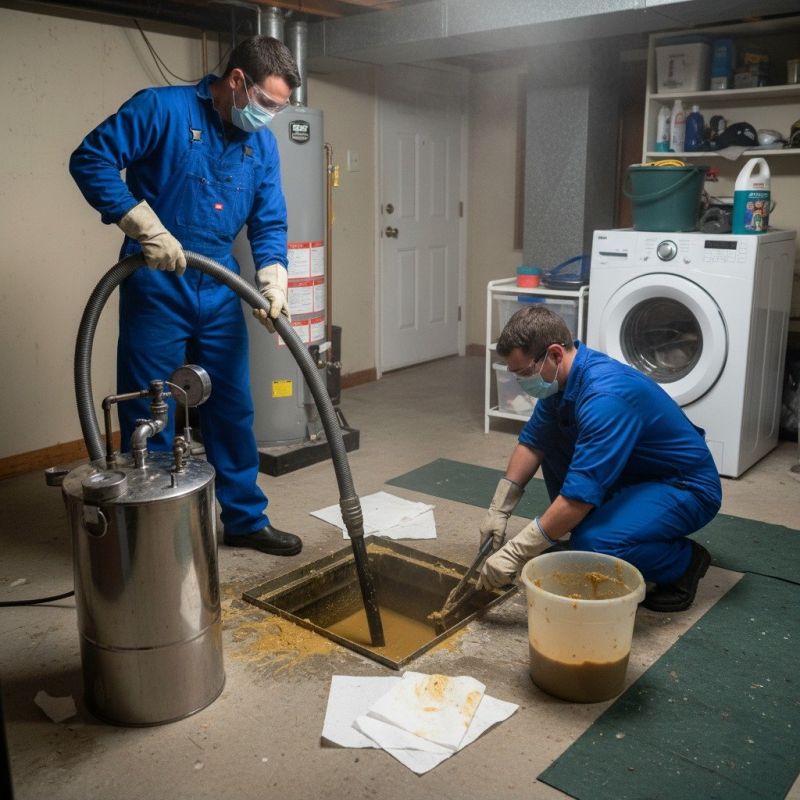
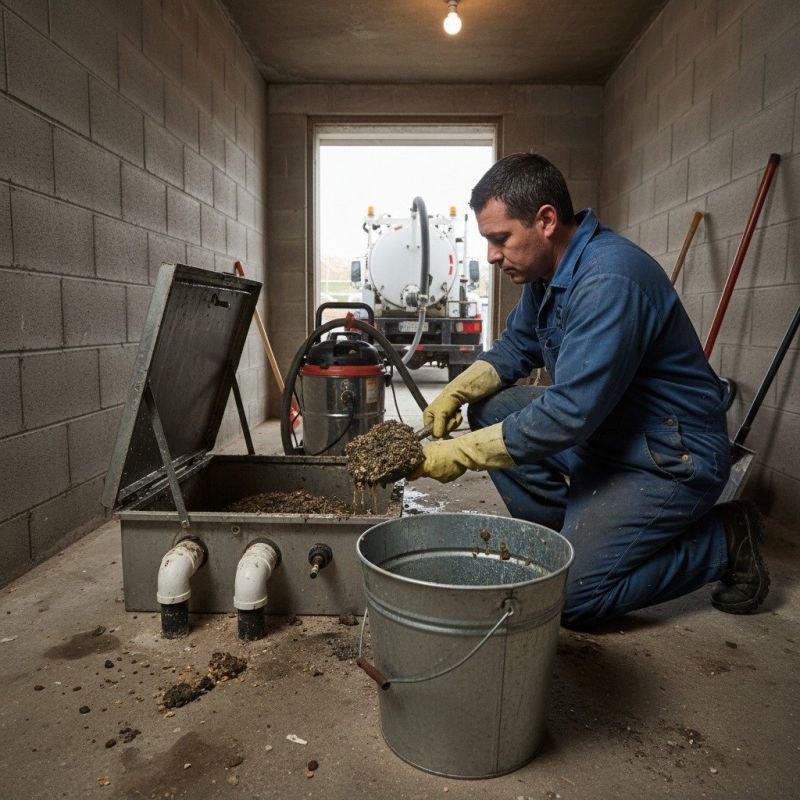
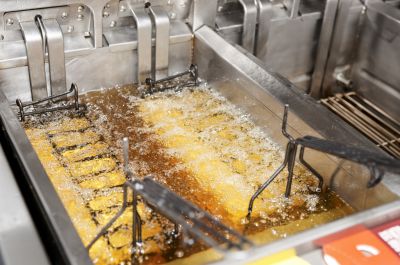
Grease trap pumping services involve the removal of accumulated fats, oils, and grease (FOG) from a grease trap or interceptor. These systems are installed in commercial kitchens, food processing facilities, and other properties where large quantities of greasy waste are generated. Regular pumping ensures that the trap functions properly by preventing buildup that can cause blockages, foul odors, and overflows. Professional service providers use specialized equipment to safely extract the FOG, helping property owners maintain a clean and compliant operation.
Many common problems can arise when grease traps are not maintained properly. Over time, grease, food particles, and other debris can clog the system, leading to slow drainage or complete blockages. This can result in unsanitary conditions, foul smells, and potential violations of health codes. In severe cases, neglecting to pump out the trap can cause grease to seep into plumbing lines or the surrounding environment, creating costly repairs and cleanup. Regular pumping by experienced contractors helps prevent these issues before they develop.
Properties that typically utilize grease trap pumping services include restaurants, cafes, catering facilities, hotels, and other food service establishments. Commercial kitchens generate significant amounts of FOG, making routine maintenance essential to keep the plumbing system running smoothly. Additionally, some industrial facilities and large-scale food producers may also require periodic grease trap pumping to manage waste effectively. Homeowners generally do not need this service unless they have a large, commercial-grade kitchen or specific local regulations that mandate regular cleaning.
By working with local contractors who specialize in grease trap pumping, property owners can ensure their systems are properly maintained and compliant with local standards. These service providers have the expertise and equipment needed to handle different sizes and types of traps, offering peace of mind that the job is done thoroughly. Contacting a professional for regular pumping can help prevent costly repairs, avoid operational disruptions, and maintain a clean, odor-free property.
The overview below groups typical Grease Trap Pumping projects into broad ranges so you can see how smaller, mid-sized, and larger jobs often compare in your area.
In many markets, a large share of routine jobs stays in the lower and middle ranges, while only a smaller percentage of projects moves into the highest bands when the work is more complex or site conditions are harder than average.
Routine Pumping - typical costs range from $250-$600 for regular maintenance of smaller grease traps. Many routine jobs fall within this middle range, depending on the size and accessibility of the trap.
Mid-Size Projects - larger or more complex grease trap pumping can cost between $600-$1,200. These projects often involve additional cleaning or servicing of multiple traps at a commercial property.
Full Replacement - replacing an entire grease trap can range from $2,000-$5,000 or more. Such projects are less common and usually reserved for outdated or severely damaged systems.
Emergency or After-Hours Service - urgent or after-hours pumping services typically cost $300-$800 or higher. Many service providers handle these jobs at a premium, especially for urgent needs outside regular hours.
Actual totals will depend on details like access to the work area, the scope of the project, and the materials selected, so use these as general starting points rather than exact figures.
Septic Tank Pumping - similar skills and equipment are used to safely remove waste from underground tanks, ensuring proper sanitation and system functionality.
Industrial Waste Removal - involves the use of specialized pumps and planning to extract and transport waste materials from commercial or industrial sites.
Storm Drain Cleaning - requires similar tools and procedures to clear blockages and maintain proper flow in drainage systems.
Grease Interceptor Maintenance - involves pumping and cleaning grease interceptors to prevent buildup and ensure compliance with local regulations.
Catch Basin Cleaning - entails removing debris and sludge from drainage catch basins using similar pumping techniques and planning.
Restaurant Drain Line Cleaning - utilizes similar skills to clear grease and debris from kitchen drain lines, supporting proper wastewater flow.
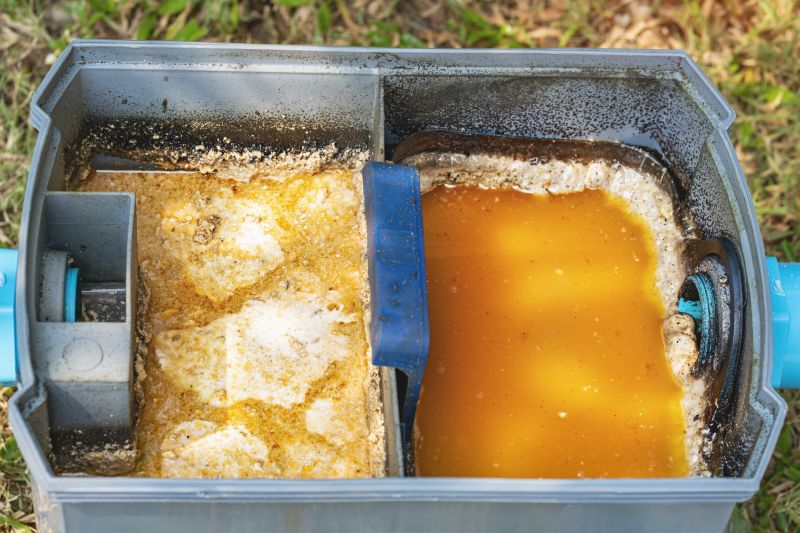
When evaluating potential service providers for grease trap pumping, it’s important to consider their experience with similar projects. A contractor who has handled a variety of grease trap sizes and types is more likely to understand the nuances of your specific system. Asking about their background in working with residential or commercial properties similar to your own can provide insight into their familiarity with local codes and common challenges, helping to ensure the job is completed efficiently and effectively.
Clear, written expectations are essential for a smooth service experience. When comparing local contractors, look for those who provide detailed descriptions of their services, including what is included and any potential additional costs. Having a straightforward, documented scope of work helps prevent misunderstandings and ensures that both parties are aligned on the project’s objectives. It’s also beneficial to inquire about the process they follow, from scheduling to cleanup, so you know what to expect at each stage.
Reputable references and good communication practices are key indicators of a reliable service provider. Seek out local pros who can provide references from previous clients with similar projects, giving you a sense of their track record. Additionally, responsive and clear communication during your initial interactions can signal how well they will keep you informed throughout the service. Remember, the goal is to connect with local contractors who are transparent, professional, and capable of addressing your grease trap pumping needs effectively.
Property owners use Grease Trap Pumping services for practical projects around their homes and businesses. This guide focuses on everyday jobs and straightforward project options.
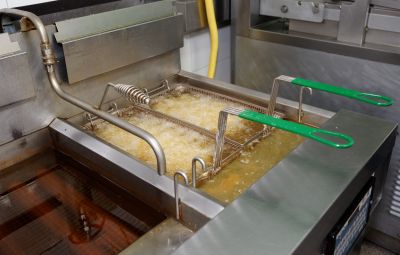
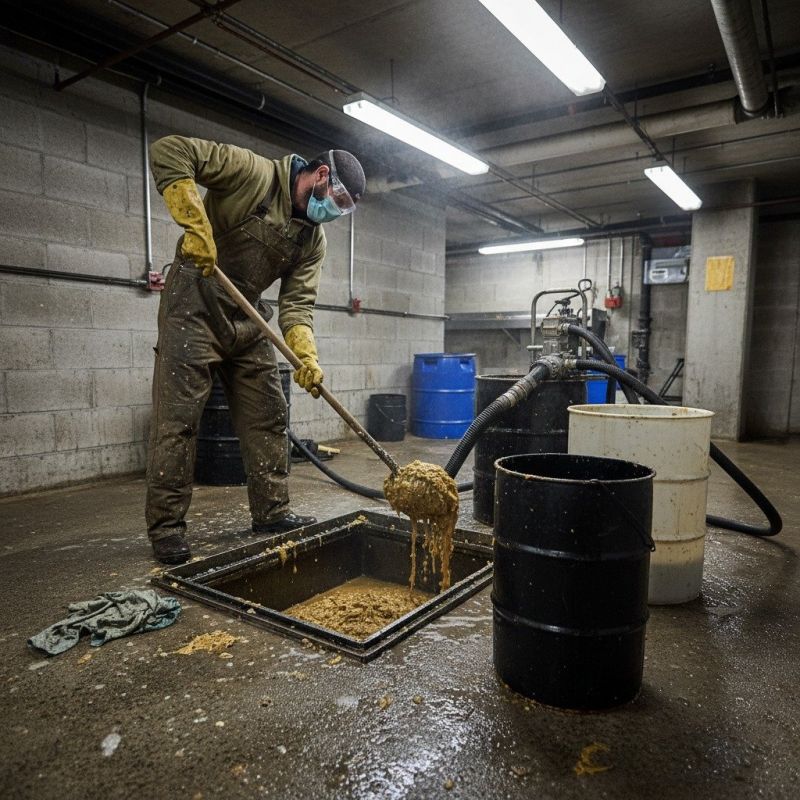
Grease trap pumping services are often needed for properties that operate restaurants, cafes, or other food service establishments. Regular maintenance helps prevent grease buildup that can cause blockages, foul odors, and costly backups in plumbing systems. Property owners may seek these services to ensure smooth operation, comply with health regulations, or avoid disruptions caused by clogged drains.
Additionally, commercial and industrial facilities with food processing or catering functions might require routine grease trap pumping to maintain proper sanitation and prevent environmental issues. Local contractors specializing in this work can provide scheduled cleanings and emergency services, helping property owners keep their systems functioning efficiently and stay in good standing with local health and safety standards.
What is grease trap pumping? Grease trap pumping involves removing accumulated fats, oils, and solids from a grease trap to prevent blockages and odors in plumbing systems.
How often should a grease trap be pumped? The recommended pumping frequency depends on the size of the trap and the volume of kitchen activity, but local contractors can provide guidance based on specific needs.
What signs indicate a grease trap needs servicing? Signs include foul odors, slow drains, or visible buildup around the trap area, which suggest it may require pumping by a professional.
What types of businesses typically need grease trap pumping? Restaurants, cafeterias, catering services, and other food service establishments commonly require regular grease trap maintenance.
How do local service providers handle grease trap pumping? Local contractors use specialized equipment to safely and efficiently remove grease and solids from the trap, ensuring proper disposal and system functionality.
Prevent Plumbing Blockages - Regular grease trap pumping helps property owners avoid costly backups in sinks and drains caused by accumulated grease.
Maintain Wastewater Flow - Scheduling routine services ensures that wastewater flows smoothly, reducing the risk of overflows during busy periods.
Comply with Regulations - Proper grease trap maintenance supports adherence to local codes and ordinances for commercial and industrial properties.
Extend Equipment Lifespan - Consistent pumping can help prolong the life of plumbing systems by preventing grease buildup that causes corrosion and damage.
If you are thinking about Grease Trap Pumping for a property, this guide is meant to help you understand the work, the typical project types, and how different options might fit your plans.
When you are ready, you can use the quote form on this page to share a few details about your project. From there, local pros can review the basics and respond with options that match what you have in mind.